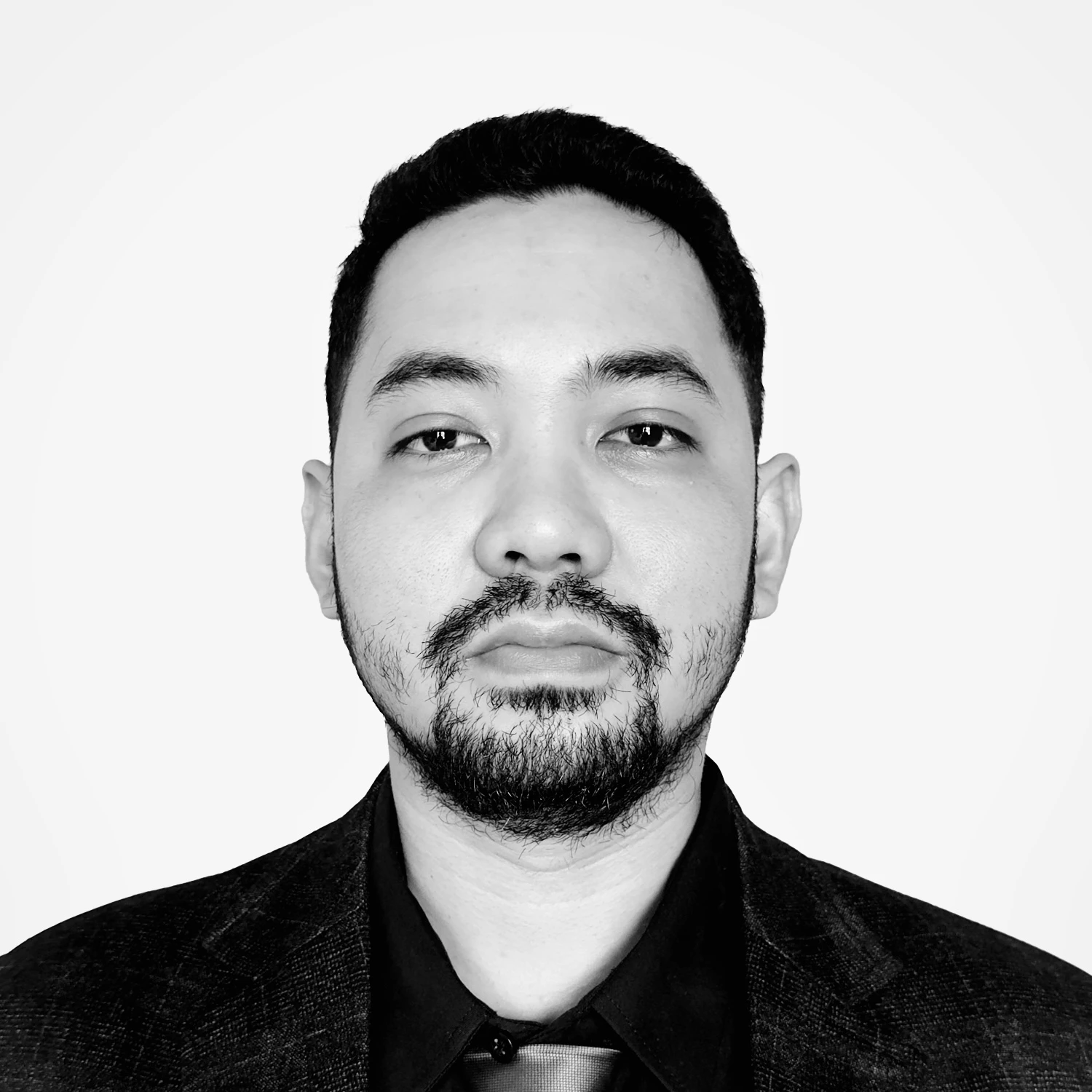
Product & Experience Designer
Hi, I'm Chris.
By day: UI/UX design, some AI automation, a bit of SEO. By night: popcorn, fries, a blanket, and a K-drama I probably shouldn't be this invested in.
Fun facts about me
I get really into recipe videos, then just go try making the thing myself.
When I travel, I look for small local karinderyas, food cooked the same way for generations.
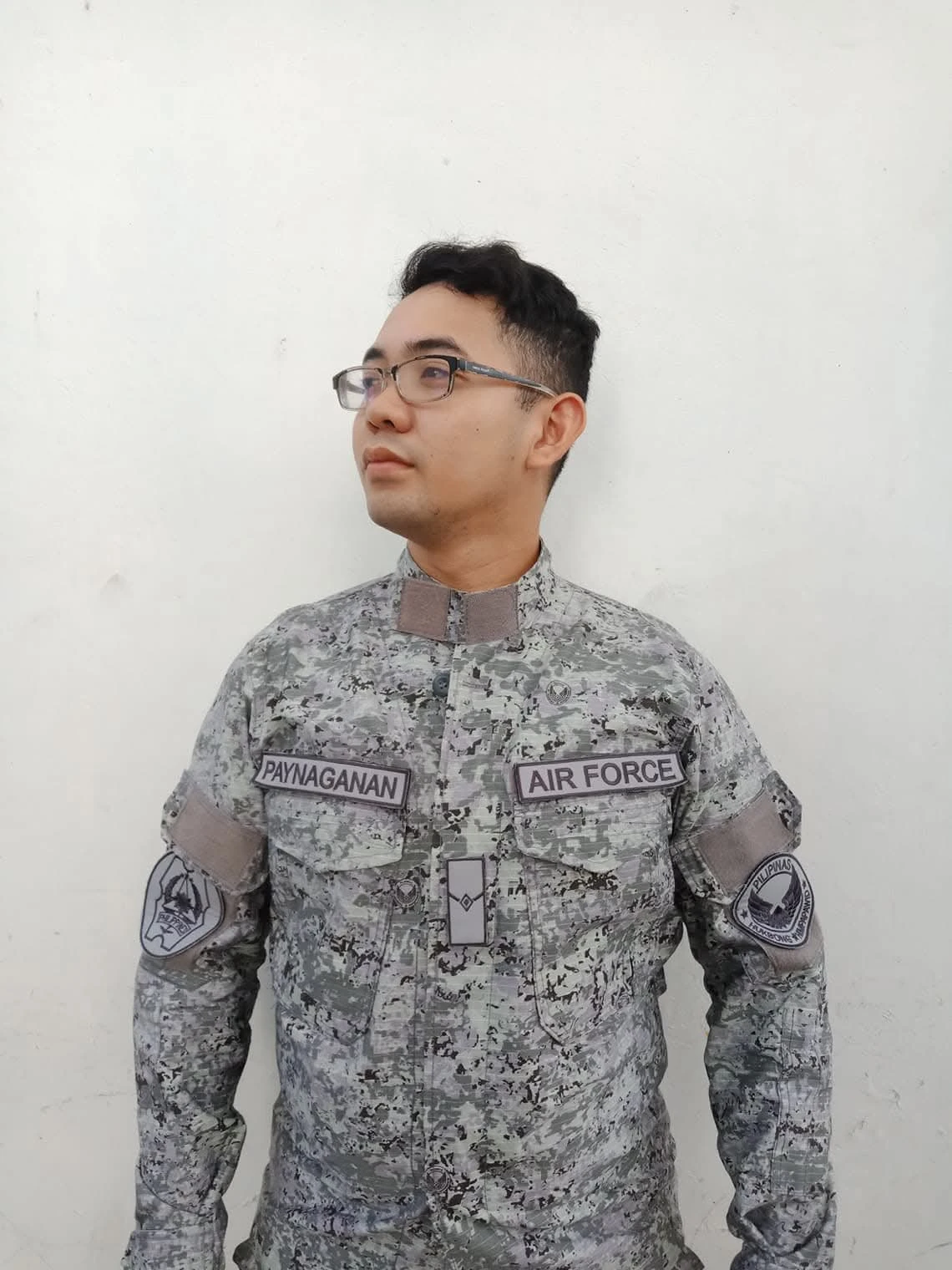
Before design, I was in the military. Some say that's where the structured thinking comes from. We'll never know.
Based in Batangas, so coffee isn't optional. I don't think I've worked a day without a cup nearby.
How I got here
I started out as a graphic artist. That was the plan, that was the dream. But life had other plans first -- I needed steady income, so I joined the military.
By the time I'd saved enough to go after design again, the pandemic hit. My graphic art background wasn't enough to land a design job on its own, so I did what I had to do -- call center work, ESL tutoring, virtual assistant gigs -- anything that kept things steady while I kept trying to find my way into the creative industry.
Then I joined a dev bootcamp, and that's where it clicked. I liked what I was capable of as a software dev student, but what really pulled me in was interface design -- not just how something looked, but how useful it could actually be to the person using it. That curiosity sent me down a rabbit hole researching UI and UX, learning the difference between the two, and slowly applying what I learned to my own work.
One thing that surprised me was how familiar it all felt. UX is organized, research-driven, methodical -- and that's not so different from the military. I didn't expect that discipline to follow me into design, but it did.
Those early designs weren't great. But they were good enough to get me my first job as a designer. I don't think I've ever been prouder of anything.
What I actually do day to day
When I was starting out, I worked as part of a team -- mostly on documentation, user research, and design, splitting the load across a group to get projects done.
Since then, I've moved into solo-led design work, taking on projects across a pretty wide range of industries -- healthcare, fitness, accounting, and more recently, voice acting. Somewhere along the way I added manual, hard-coded development to what I offer, so I'm not just handing off designs and hoping they translate -- I can build them too.
I also picked up technical SEO, mostly working through SEMRush, so the sites I design aren't just usable, they're actually findable.
AI automation is the newest thing I'm digging into. I'm not offering it as a service yet, but I'm working toward it -- the plan is to eventually build customized AI chatbots into client websites as part of what I offer.
What it's like to work with me
A look at how projects actually run, from first message to final handoff.
Communication, without the noise
I try to respond quickly, but not so fast that I give you a half-formed answer. I'd rather take a moment and get back to you with something clear.
I'm direct about next steps and what I need from you to keep things moving -- but I'll also over-explain when it matters and simplify when it doesn't, so you get the full picture without drowning in it.
Feedback and revisions, kept honest
Not every note is a revision, and I don't treat them the same. If something's easily explained or addressed without reworking the design, I'll tell you that instead of quietly padding the scope.
When something is a genuine revision, we go back to the original scope and deliverables together first, since revisions are limited and I want you to use them well.
Research that compounds
Working industry by industry means I'm not starting from zero each time.
A lot of the early research is already done, so I can move faster by reusing and adapting it to fit what's different about your project -- while still giving every industry its own pass to refine and validate, not just recycle.
Timelines that are set upfront
Every page and section has a timestamp attached to it, based on the actual deliverables involved -- that's what determines how long a project takes, not a guess.
If you need to expedite, that's an option, but I'll always be upfront that it comes with a cost: it gets more expensive, and it can compress the quality of the work.
A system, behind the work
Everything runs through my Notion workspace -- intake forms, client and project databases, process docs, tasks, meetings, all of it.
It's not just how I stay organized on a single project, it's the foundation I'm building toward eventually turning this into a full digital marketing agency.
Learning the industry, not just the interface
When I'm working in an industry that's new to me, I go talk to actual people in it, not just run an AI search for pain points.
Those conversations tell me what's really going on and what people are genuinely struggling with. From there, I build research I can use as a real foundation for every project I take on in that space.
A few things about me is that ...
I love eating almost as much as I love cooking, and I'm especially drawn to food that has a story behind it. Most days that just means trying something new, but karinderyas are the thing I keep coming back to. There's a structure to them I find fascinating -- they don't sell leftovers, the food is always fresh, and some even have a dish that's specific to that day.
They know their customers. They know what sells and what doesn't, what's working and what isn't. And no two karinderyas are quite the same -- everything shifts based on the locality and the community it's serving.
What gets me is that the same dish can look completely different from one karinderya to the next, shaped by whoever's recipe got passed down to them. It reminds me a little of design -- different apps solving the same problem, but built and shaped differently depending on who they're for.
That's pretty much the story so far. If any of this sounds like the kind of designer you want to work with, my contact page is a good place to start.